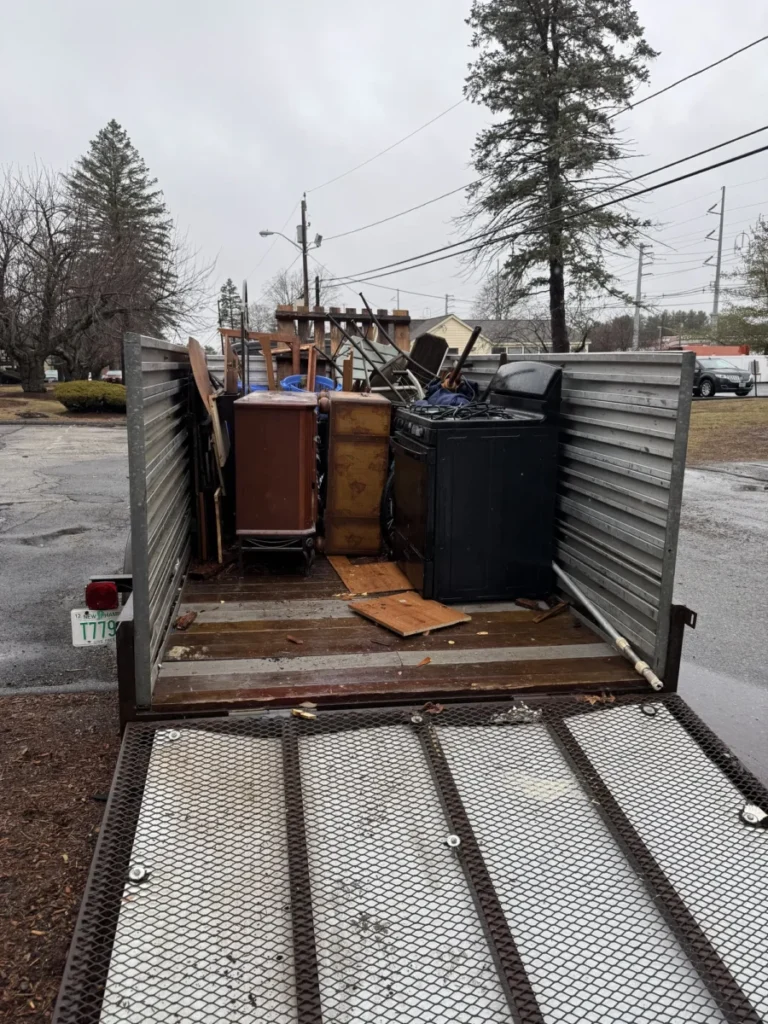
Garage Demolition Services in Southern NH & Northern MA
What Does a Professional Garage Demolition Service Include?
A professional garage demolition service typically includes evaluating the structure, preparing the site, safely tearing down the garage, sorting and removing demolition debris, and leaving the area clean and ready for its next use. In Southern New Hampshire and Northern Massachusetts, the process may also involve local permits, asbestos requirements, utility coordination, and proper disposal or recycling of construction materials.
Petrillo Junk Removal helps property owners simplify projects that involve more than hauling away everyday clutter. Garage demolition combines careful planning, physical demolition work, debris removal, and responsible disposal, so having one experienced team manage the process can save homeowners considerable time and effort. Whether an aging detached garage has become unsafe, storm damage has made repairs impractical, or you simply want to reclaim space for a new project, Petrillo Junk Removal provides a practical, customer-focused approach. Serving communities throughout Southern NH and Northern MA, the team understands that demolition is not finished when the structure comes down. The property also needs to be cleared safely and efficiently.
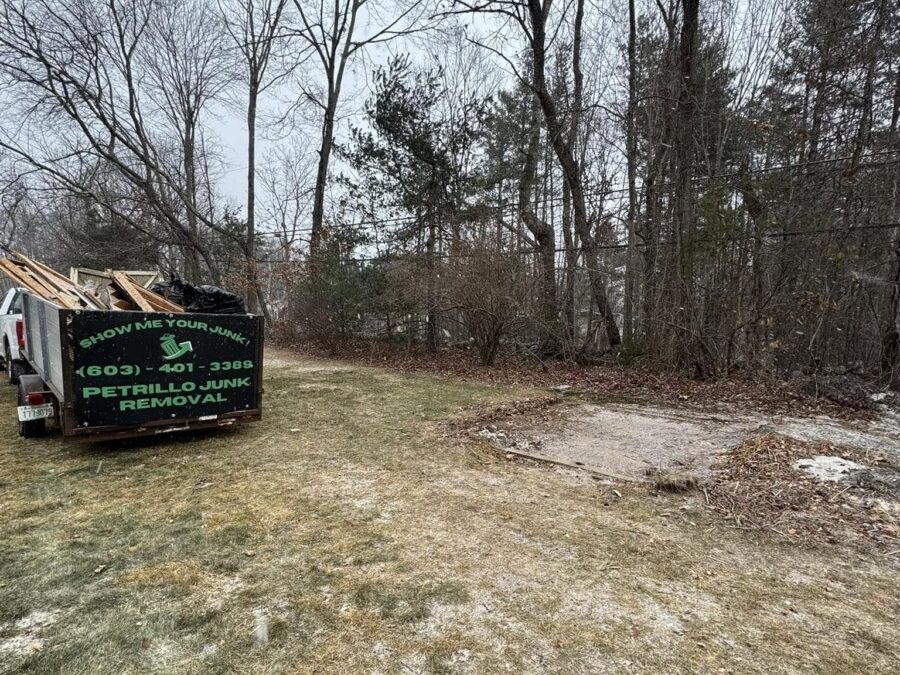
Garage Tear-Down and Demolition Services: What Homeowners Should Expect
Professional demolition services involve much more than knocking down walls. A well-planned garage removal accounts for the structure itself, nearby property, utilities, potentially hazardous materials, debris handling, and local requirements.
For homeowners, understanding these steps makes it easier to prepare for the project and know what questions to ask a demolition contractor before work begins.
What Happens Before a Garage Is Demolished?
Garage demolition should begin with an evaluation of the structure and site, not immediate tear-down work. The contractor needs to understand the garage’s size, construction materials, condition, accessibility, and proximity to the house, driveway, neighboring properties, trees, and utility lines.
Preparation may include:
- Determining whether utilities serve the garage
- Identifying potential safety or structural hazards
- Checking access for demolition and debris removal equipment
- Confirming applicable municipal permit requirements
- Evaluating materials that may require special handling
- Planning how construction and demolition debris will be sorted and removed
Permit requirements can vary by municipality, so homeowners in communities from Nashua and Salem, New Hampshire, to Lowell, Haverhill, and surrounding Northern Massachusetts communities should check the rules that apply to their specific property.
Older garages require particular attention. Massachusetts Department of Environmental Protection guidance requires a thorough asbestos survey before demolition or renovation where regulated requirements apply, with the survey performed by a Massachusetts-licensed asbestos inspector. MassDEP explains that the purpose is to identify asbestos-containing materials before they are disturbed during demolition.
How Does Professional Garage Demolition Work?
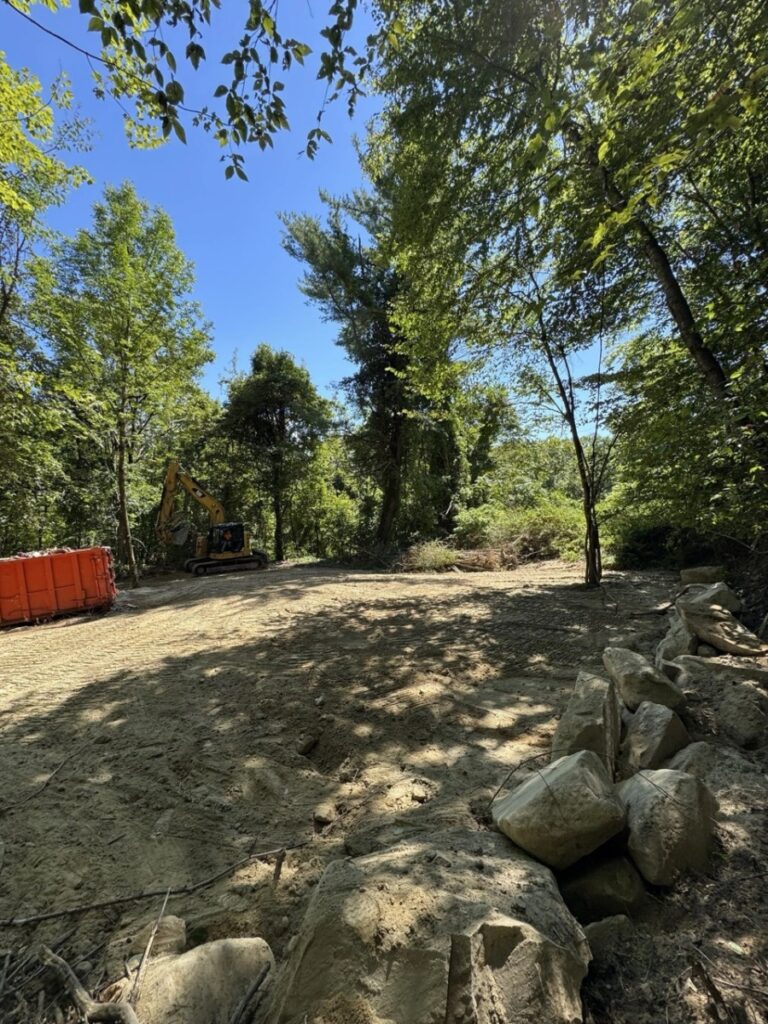
Once the site is properly prepared, the garage is dismantled in a controlled sequence that allows workers to manage both safety and debris. The exact approach depends on whether the structure is a small wood-frame garage, a larger building, or a garage containing substantial masonry, concrete, roofing, or other heavy materials.
A typical project may follow these steps:
- Prepare and secure the work area. Vehicles, personal belongings, and other obstacles are moved away from the demolition zone.
- Address utilities and special materials. Any necessary disconnections or hazardous-material procedures should be completed before structural demolition.
- Dismantle the garage. Roofing, siding, framing, doors, windows, and other components are removed or brought down using methods appropriate for the structure.
- Separate debris. Wood, metal, concrete, roofing, and other materials may require different disposal or recycling routes.
- Haul away the debris. A professional debris removal service clears the demolished materials from the property.
- Clean the site. Loose debris is removed so the space is left orderly and ready for the homeowner’s next step.
This combination of demolition and construction debris removal is especially valuable because homeowners do not have to arrange a separate cleanup after the garage is gone.
What Happens to the Debris After Garage Demolition?
Garage demolition can produce wood, metal, concrete, brick, roofing, siding, glass, and other construction materials, and these materials should be managed through appropriate reuse, recycling, or disposal channels.
The New Hampshire Department of Environmental Services states that demolition waste that is not reused must be disposed of or recycled at a permitted solid waste facility. NHDES also notes that metals can potentially go to scrap recycling when uncontaminated, while bricks may be reused and concrete or damaged brick can have uses as aggregate or fill.
That makes debris management an important part of choosing among demolition companies. A complete service should account for what happens after demolition instead of simply creating a pile for the homeowner to manage.
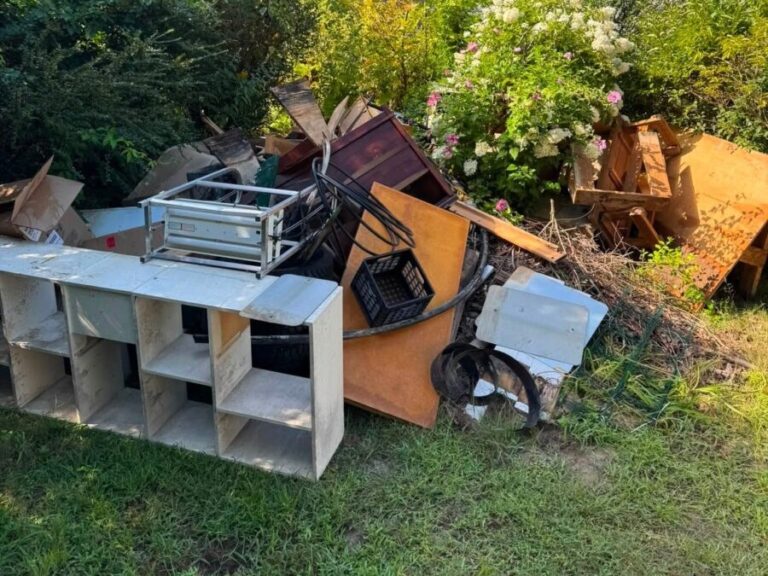
Petrillo Junk Removal’s experience with junk removal, debris removal, and construction debris removal supports this cleanup-focused approach. These services align with the company’s core removal offerings and help make demolition projects easier to manage from start to finish.
Do You Need a Permit to Demolish a Garage in NH or MA?
A permit or other approval may be required for garage demolition, but the exact requirements depend on the municipality, property, and project. Homeowners should verify local requirements with their building department before demolition begins.
Massachusetts projects can also be subject to asbestos and construction/demolition notification requirements. MassDEP says asbestos abatement projects generally require notification at least 10 working days before work begins. Its construction/demolition notification rules also impose a 10-working-day advance notification for covered projects, although specific residential exemptions apply.
Because rules differ depending on the type of structure and location, do not assume that a small detached garage is automatically exempt from every local or state requirement. Confirming the rules before work begins helps prevent delays and unexpected costs.
When Does It Make Sense to Demolish an Old Garage?
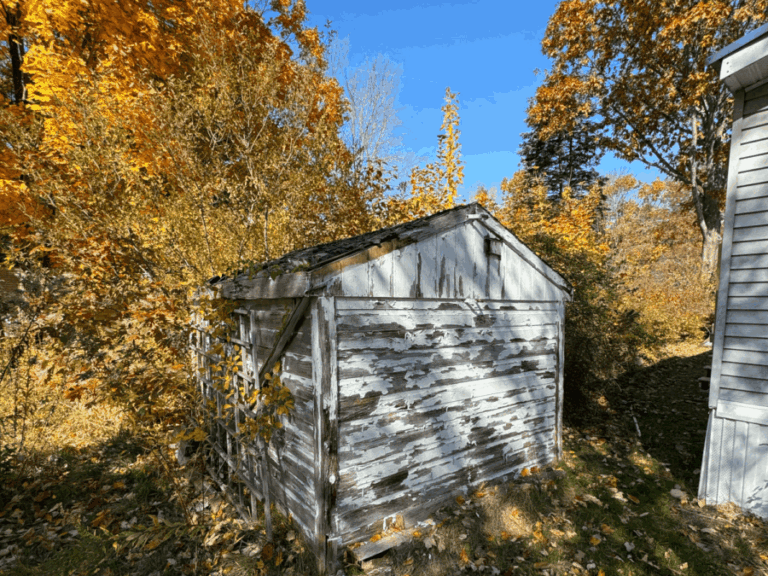
Demolition can make sense when a garage is severely deteriorated, no longer useful, unsafe to repair economically, or occupying space needed for another purpose.
Common reasons homeowners consider garage removal include:
- Significant structural deterioration
- Rot or extensive weather damage
- Fire or storm damage
- A failing roof or walls
- Plans for a replacement garage
- A landscaping or driveway redesign
- A property renovation or redevelopment project
- An unused structure that has become a maintenance burden
Southern New Hampshire and Northern Massachusetts experience freezing temperatures, snow, rain, and repeated freeze-thaw cycles. Over many years, those conditions can contribute to deterioration of aging roofs, framing, masonry, and foundations. When repairs keep accumulating, homeowners may find that removing an obsolete garage provides a cleaner starting point for the property.
Garage Demolition FAQ
How long does it take to demolish a garage?
The physical demolition of a straightforward detached garage may be relatively quick, but the complete project timeline depends on the structure’s size, materials, access, permits, utility coordination, hazardous-material requirements, and debris removal.
Can you demolish a garage that contains asbestos?
Demolition should not proceed through asbestos-containing materials without following applicable regulations. In Massachusetts, MassDEP requires regulated asbestos-containing material to be properly identified and handled, and asbestos abatement notification generally must be submitted at least 10 working days before removal begins.
Is garage demolition different from junk removal?
Yes. Junk removal generally involves hauling away unwanted items and non-structural debris, while garage demolition involves dismantling or razing a structure. A company experienced in both demolition and junk pickup can provide additional value by coordinating the tear-down with debris cleanup.
Can garage demolition materials be recycled?
Some can. Depending on their condition and local facilities, metals, concrete, brick, and certain other construction materials may be candidates for recycling or reuse rather than disposal. New Hampshire DES specifically identifies reuse and recycling options for several common demolition materials.
Ready for Garage Demolition in Southern NH or Northern MA?
An old garage should not leave you with a new problem in the form of piles of construction debris. Petrillo Junk Removal can help simplify the process with professional demolition and debris removal services designed to leave your property cleaner and ready for what comes next.
Ready to remove an old or unwanted garage? Contact Petrillo Junk Removal to discuss your garage demolition project today.